Let me guess—you’re bored of the same apps.
Same icons.
Same features.
Same “Top 10 Apps” lists recycled every month.
It’s like walking into a restaurant where the menu never changes. Sure, it’s safe… but it’s also painfully predictable.
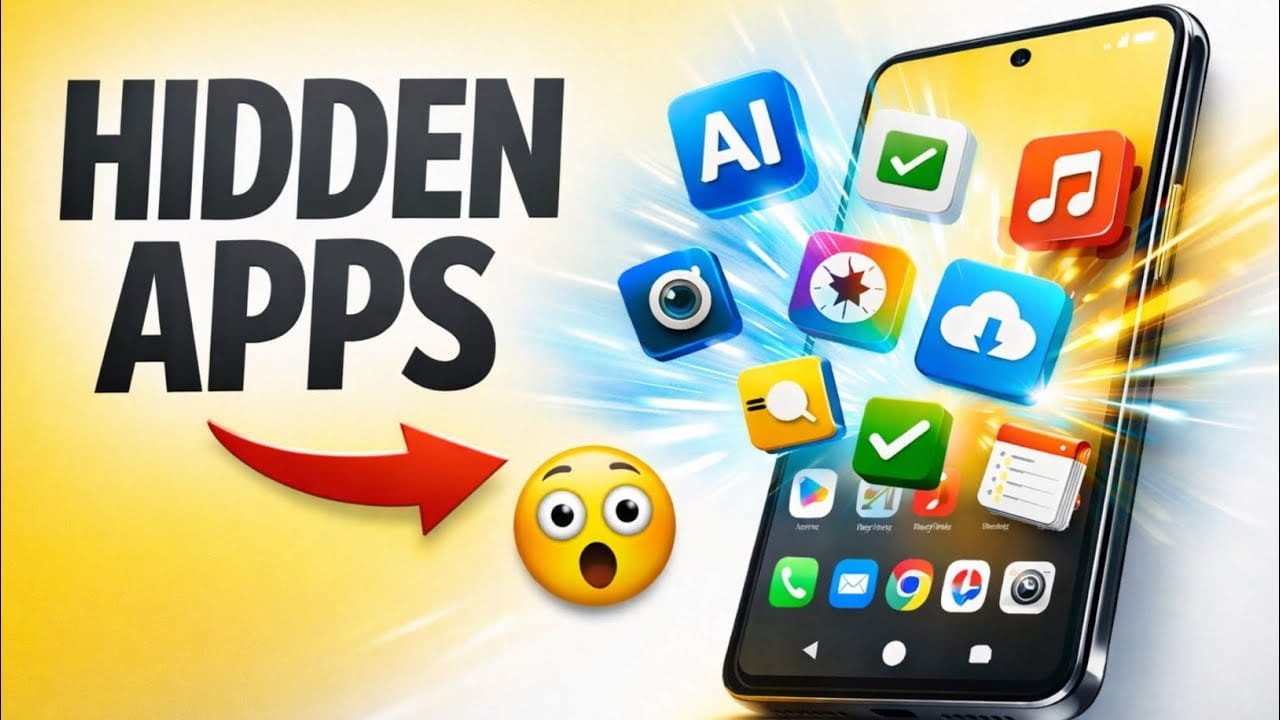
And that’s exactly why people start digging for APK apps.
Not the mainstream stuff you find on the Google Play Store… but the hidden ones. The weird ones. The “why isn’t this more popular?” kind of apps.
The kind you don’t discover—you stumble into.
This list isn’t about obvious choices. It’s about those underrated, slightly off-the-radar Android APK apps in 2026 that actually make you stop and think:
“Wait… how did I not know about this?”
1. Niagara Launcher — The App That Makes Your Phone Feel Calm Again
Let’s start with something that feels… different.
Niagara Launcher doesn’t try to impress you with flashy animations or widgets everywhere. Instead, it strips your phone down to the essentials.
One column. Clean interface. Zero clutter.
Why it’s special
- One-handed usability
- Minimal distractions
- Lightning-fast navigation
My take
Using this feels like cleaning your room after months of chaos.
You don’t realize how overwhelming your home screen was… until it isn’t.
2. NewPipe — YouTube Without the Noise
Imagine YouTube without:
- Ads
- Tracking
- Background restrictions
That’s NewPipe.
What makes it powerful
- Background playback
- Video downloads
- No Google account needed
Why it’s “hidden”
Because it’s not on official stores.
My take
Once you use this, going back to regular YouTube feels… annoying.
3. F-Droid — The Underground App Store
This isn’t just an app—it’s a gateway.
F-Droid is a store filled with:
- Open-source apps
- Privacy-focused tools
- No trackers, no ads
Why it matters
It gives you access to apps that don’t exist on mainstream platforms.
My take
If the Play Store is a shopping mall… F-Droid is a hidden street market full of gems.
4. Instander — Instagram Without the Annoyance
Let’s be honest.
Instagram is great… but also frustrating.
Instander fixes that.
What it unlocks
- Download photos & videos
- No ads
- Better privacy controls
The catch
It’s a mod—so yes, some risk exists.
My take
This feels like Instagram without the corporate restrictions.
5. Aurora Store — Anonymous App Downloads
Ever wanted to download apps without signing into Google?
Aurora Store lets you do exactly that.
Features
- Anonymous app downloads
- Access to Play Store apps
- No tracking
Why it’s underrated
Most people don’t even know this is possible.
My take
This is one of those “quietly powerful” apps you install once and keep forever.
6. Shizuku — The App That Unlocks Hidden Android Powers
This one is not for casual users.
Shizuku lets apps access system-level APIs without full root.
What that means
- Advanced automation
- Deep customization
- System-level tweaks
My take
Feels like unlocking a hidden developer mode in your phone.
But yeah… not beginner-friendly.
7. Seal — Download Anything, Cleanly
You’ve probably tried downloading videos before.
Messy apps. Ads everywhere. Broken links.
Seal fixes that.
Features
- Clean interface
- Supports multiple platforms
- No clutter
My take
Simple tools like this are rare—and valuable.
8. BuzzKill — Control Your Notifications Like a Boss
Notifications are chaos.
BuzzKill turns that chaos into control.
What it does
- Customize notification behavior
- Silence spam
- Automate responses
Example
You can literally:
👉 Mute a notification if it repeats
👉 Delay messages
👉 Filter alerts intelligently
My take
This is one of those apps that quietly improves your daily life.
9. Tasker — The App That Makes Your Phone Think
Tasker isn’t new—but most people never truly explore it.
What it can do
- Automate tasks
- Trigger actions based on conditions
- Customize your phone deeply
Example
- Turn WiFi on/off automatically
- Launch apps based on location
- Control smart devices
My take
It’s like programming your phone… without coding.
10. Vanced Manager — The Gateway to Modded YouTube
Before everything got complicated, this was the easiest way to install YouTube mods.
What it does
- Installs modded YouTube versions
- Manages updates
- Simplifies setup
My take
Even in 2026, tools like this still matter.
The Pattern You Should Notice
These apps aren’t popular for one reason:
👉 They challenge the system.
- No ads
- No tracking
- More control
- Less restriction
That’s why they don’t show up in mainstream rankings.
Why Hidden APK Apps Feel Different
Let me explain something subtle.
Mainstream apps are designed for:
👉 Mass appeal
👉 Monetization
👉 Engagement
Hidden APK apps?
They’re designed for:
👉 Functionality
👉 Freedom
👉 Specific needs
That’s why they feel… refreshing.
The Risk Side (Because It Exists)
Let’s not ignore reality.
Using APK apps comes with:
- Security risks
- Update issues
- Compatibility problems
And sometimes:
👉 Apps disappear overnight
That’s part of the “hidden” world.
How to Explore Safely
If you’re diving into APK apps, keep it smart:
1. Don’t Install Everything
Curiosity is good. Carelessness isn’t.
2. Check Permissions
If an app asks for too much—question it.
3. Use Trusted Sources
Avoid shady download sites.
4. Keep Backups
Because things can break.
My Personal Favorites (No Filter)
If I had to keep only a few:
- Niagara Launcher → Daily use
- NewPipe → Media
- BuzzKill → Productivity
- Aurora Store → Privacy
Everything else?
Nice to have—but these actually change how you use your phone.