Let’s just say it straight.
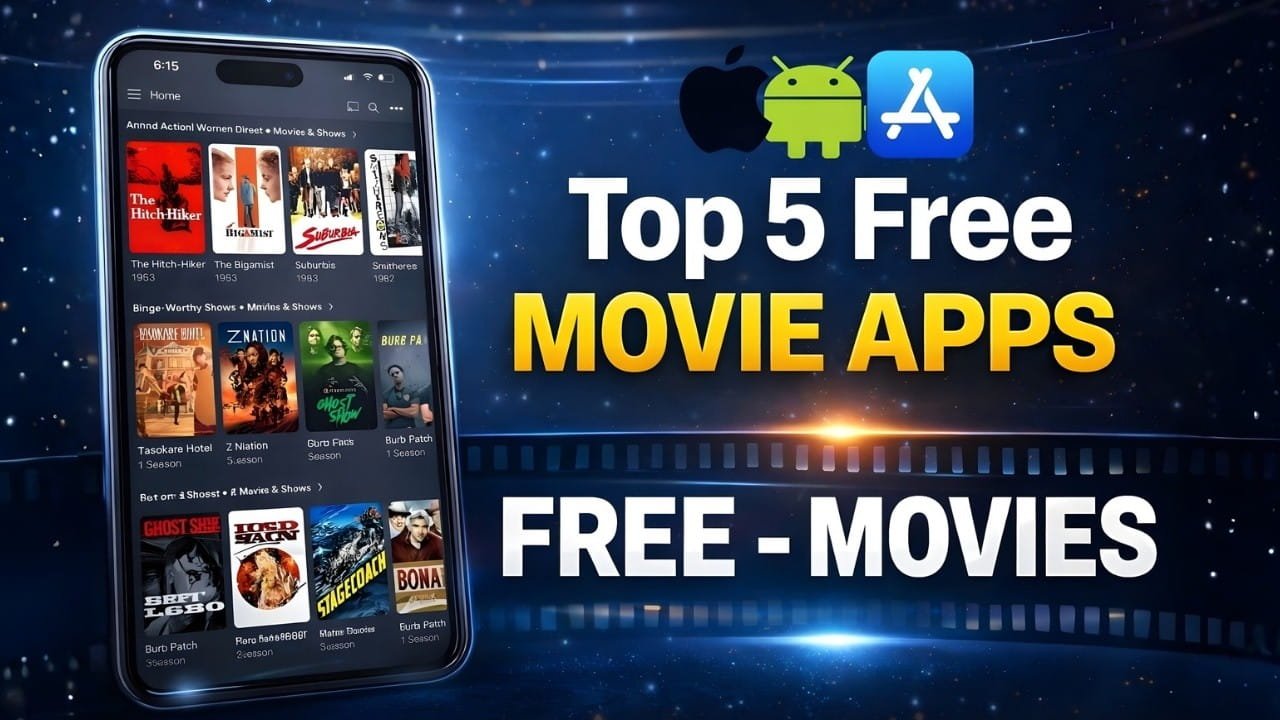
If you’re looking for “free streaming APKs,” you’re not just trying to save money—you’re trying to escape the subscription trap.
Netflix. Prime. Disney+. Another subscription. Another login. Another “premium plan.”
At some point, people just go: “Enough.”
That’s where streaming APKs come in.
But here’s the truth nobody explains properly:
There are TWO completely different worlds of streaming apps.
- ✅ Legal free apps (safe, ad-supported)
- ⚠️ Unofficial APKs (free, powerful… but risky)
And if you mix them up, you’ll either:
👉 Miss out on good options
👉 Or walk straight into problems
So instead of giving you a boring list, let’s break this down like someone who actually uses these.
First — How Streaming APKs Actually Work
Most APK streaming apps don’t host content.
They act like:
👉 A search engine + video player
They pull links from different sources and let you stream everything in one place
That’s why:
- You get massive libraries
- But sometimes broken links
- And inconsistent quality
It’s not magic. It’s aggregation.
⚠️ Category 1 — Unofficial Streaming APKs (Most Popular)
These are the ones everyone secretly searches for.
1. Cinema HD APK (The OG… but Fading)
This used to be the king.
What made it huge
- Massive movie & TV library
- HD & 4K links
- Simple interface
It pulls content from multiple online sources and presents it cleanly
The 2026 reality
- Updates are inconsistent
- Some versions stopped working
- Domain issues and shutdowns reported
My take
Still usable—but no longer reliable long-term.
2. BeeTV APK (The New Crowd Favorite)
If Cinema HD is dying, BeeTV is taking its place.
What you get
- Huge content library
- No signup required
- Lightweight and fast
It aggregates streaming links from multiple sources and works smoothly on Android devices
Real user vibe (Reddit)
“BeeTV feels like a natural replacement… fast and reliable.”
My take
Probably the most used unofficial app in 2026.
3. Nova TV APK (Clean & Reliable Alternative)
Why people switch to it
- Cleaner interface than BeeTV
- Good link scraping
- Stable playback
My opinion
Not flashy—but quietly solid.
4. CyberFlix TV (Old School but Still Alive)
A continuation of older apps like Terrarium TV.
Features
- HD streaming
- Subtitle support
- Easy navigation
My take
Feels outdated—but still works for many users.
5. FilmPlus APK (Underrated but Powerful)
This one doesn’t get enough hype.
What stands out
- Fast link loading
- Clean UI
- Regular updates
My take
Low-key one of the most stable options right now.
6. Stremio (Smart Streaming System)
Now this one is different.
It’s not just an app—it’s a system.
What makes it powerful
- Add-ons for content
- Supports torrents & streaming
- Organized library
Real user insight
“Millions switched to Stremio after Cinema stopped working.”
My take
Best for people who want control + performance.
7. Kodi (The “Build It Yourself” Monster)
Kodi isn’t plug-and-play.
It’s more like:
👉 “Build your own Netflix”
What you can do
- Install add-ons
- Stream movies, TV, live channels
- Fully customize
The catch
- Setup is complicated
- Requires patience
My take
Not for beginners—but insanely powerful.
8. Popcorn Time (Fast but Risky)
This one uses torrents directly.
What that means
- Faster access to new content
- HD streaming
But also:
👉 Requires caution (often paired with VPN)
My take
Great performance—but higher risk.
✅ Category 2 — Legal Free Streaming Apps (Underrated)
Now here’s what most people ignore.
There are apps that are:
👉 Free
👉 Legal
👉 Safe
9. Tubi (The “Too Good to Be Free” App)
What you get
- Thousands of movies
- No subscription
- Works everywhere
It offers a large library of movies and shows completely free (ad-supported)
My take
Best legal option. Period.
10. Pluto TV (Live TV + Movies Combo)
Features
- Live TV channels
- On-demand movies
- No signup required
My take
Feels like old-school cable—but free.
11. Plex (Hybrid Streaming + Media Hub)
Why it’s interesting
- Free movies + TV
- Personal media server
- Clean interface
My take
Perfect if you want control + legal content.
The Pattern You Need to Understand
Let me simplify everything.
Unofficial APKs
✔ More content
✔ New releases faster
❌ Risk (legal + security)
❌ Broken links sometimes
Legal Apps
✔ Safe
✔ Stable
✔ No risk
❌ Older content
❌ Ads
The Truth About “Free Streaming” in 2026
Let’s be blunt.
Nothing is truly free.
You’re always paying with something:
- Money (subscriptions)
- Ads (legal apps)
- Risk (APK apps)
Pick your poison.
What People Are Actually Using Right Now
Based on real usage trends:
👉 Daily use
- BeeTV
- Stremio
- FilmPlus
👉 Backup apps
- Nova TV
- CyberFlix
👉 Safe alternatives
- Tubi
- Pluto TV
How to Stay Safe (If You Use APKs)
This matters more than the list.
1. Always Use a VPN (Especially for Torrent Apps)
Because some apps (like Popcorn Time) use torrents directly.
2. Don’t Trust Random Download Sites
If it looks spammy—it probably is.
3. Use Multiple Apps
Even guides recommend:
👉 One main app + backups
Because links fail. Apps break.
4. Avoid Logging In
Never use:
- Personal email
- Real accounts
Stay anonymous.