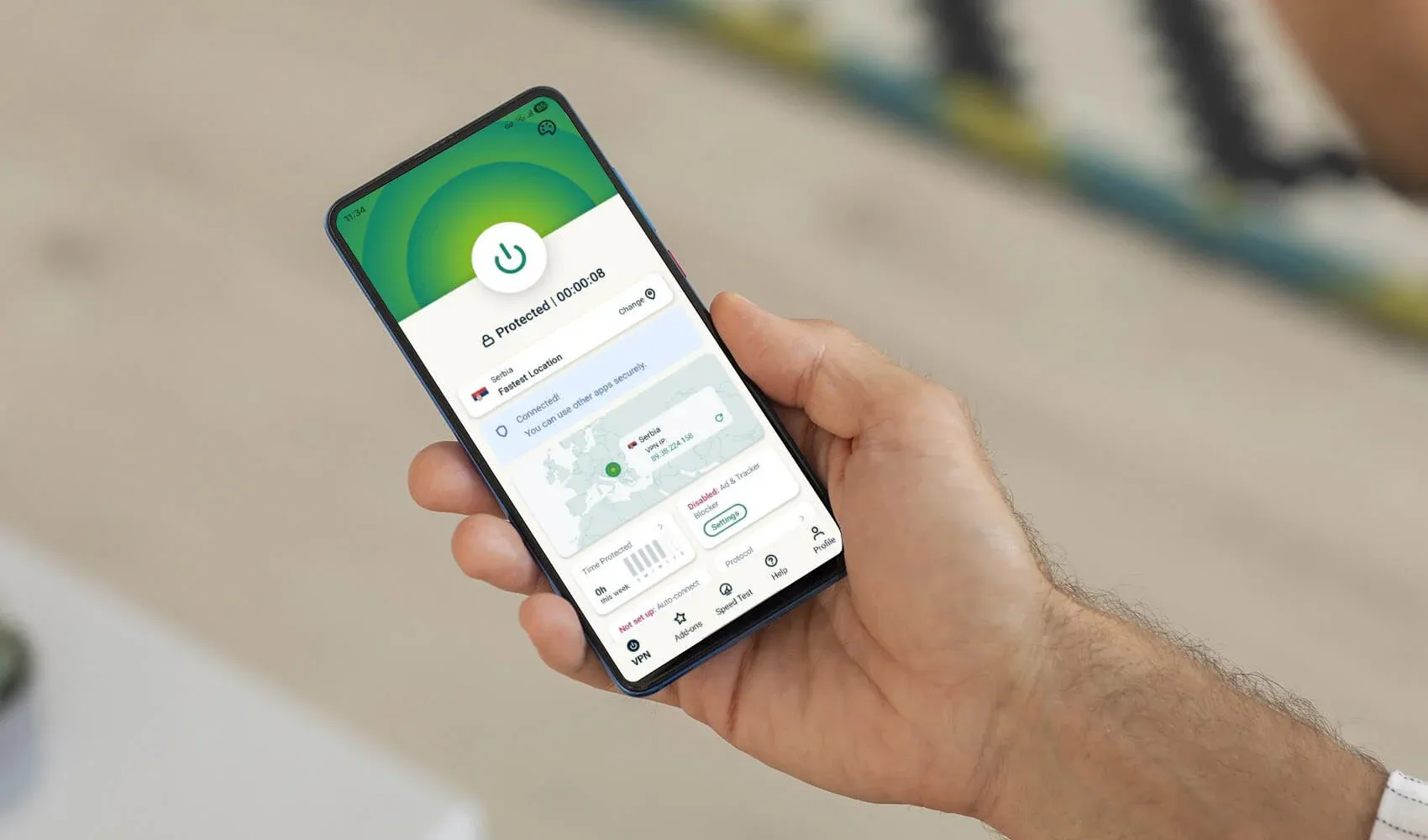
Let’s clear something up before we dive in.
Most “free VPN APK” lists you see online?
Absolute nonsense.
They throw together random apps with flashy names like Ultra Turbo VPN Pro Max 2026 and call it a day. Meanwhile, half of those apps are quietly harvesting your data like it’s a side hustle.
So I approached this differently.
This isn’t just about “free VPNs.”
This is about VPN APKs that people actually use in 2026 without wrecking their privacy, speed, or sanity.
And yeah—I’ll say the uncomfortable truth early:
A free VPN is never truly free. You’re either paying with limits… or with your data.
But there are a few that strike a decent balance.
The Reality of Free VPN APKs (Nobody Says It Like This)
Before we rank anything, understand this:
- Most free VPNs have data caps, slow speeds, or ads
- Some “unlimited free VPNs” are straight-up data collectors or worse
- Only a handful are actually built by reputable companies
So instead of chasing “100% free unlimited no logs no ban forever” (which is fantasy), you should look for:
- Trusted developer reputation
- No-log policy (or at least claimed)
- Stable connection speeds
- Minimal shady permissions
1. Proton VPN (The Only Free VPN That Feels Legit)
Let’s just start with the one everyone quietly agrees on.
Why it stands out
- Unlimited data (yes, actually)
- No ads
- Strong privacy policy
- Built by the team behind encrypted email services
According to app data, it offers unlimited bandwidth, no logs, and strong encryption
The catch
- Limited servers
- Slower speeds compared to paid plans
Real-world vibe
This isn’t flashy. It’s not trying to impress you.
It just works.
And that’s rare.
2. Windscribe Free (The “Balanced” Option)
If Proton is the quiet professional, Windscribe is the practical hustler.
What you get
- ~10GB/month free data
- Servers in multiple countries
- Decent streaming support
Even recent comparisons highlight it as a solid free option with moderate streaming capability and multiple servers
Where it wins
- Good mix of speed + flexibility
- Works for light streaming
Where it loses
- Data cap (you’ll feel it)
3. PrivadoVPN Free (Underrated Speed King)
This one flies under the radar—but shouldn’t.
Why it’s interesting
- Fast speeds (surprisingly fast for free)
- Works with some streaming platforms
- 10GB/month data
Tests show it can reach high speeds and even unblock streaming services
My take
If speed matters more than unlimited data, this beats Proton.
4. AnonyTun Pro APK (The “Bypass King”)
Now we enter the APK world—where things get a bit… wild.
What makes it popular
- Works in restricted networks
- No login required
- Custom connection tweaks
It’s widely used to bypass firewalls and geo-restrictions while hiding identity
Why people love it
Especially in countries with restricted internet—it just punches through.
The downside
- Not as transparent as mainstream VPNs
- Requires some manual setup for best performance
5. HulaVPN APK (Simple & Fast for Casual Use)
This one is for people who don’t want complexity.
Features
- One-tap connect
- Clean interface
- Decent encryption
It focuses on quick secure connections and easy location switching
Honest opinion
It’s not the most powerful—but it’s easy.
And sometimes that’s enough.
6. Sprint VPN APK (Unlimited & No Login—Suspiciously Convenient)
Now we’re entering that “hmm…” category.
What it promises
- Unlimited data
- No registration
- Fast servers
It claims no logs, strong encryption, and unlimited use without signup
My take (important)
Apps like this sound amazing—but:
👉 Always question “unlimited + free + no login”
👉 Test it before trusting it
This is a “use carefully” option.
7. Psiphon Pro (The Internet Escape Tool)
This one isn’t even trying to act like a typical VPN.
What it does best
- Bypasses censorship
- Works in heavily restricted networks
- Simple to use
The trade-off
- Not built for privacy perfection
- More about access than anonymity
8. hide.me Free VPN (Quietly Powerful)
This one doesn’t get enough attention.
Features
- No ads
- Strong privacy focus
- Limited free data (depending on plan)
It’s often ranked among the few truly secure free VPNs with decent speeds
9. Atlas VPN Free (Lightweight & Beginner-Friendly)
Why people like it
- Easy setup
- Good for casual browsing
- Clean interface
Limitations
- Limited servers
- Not ideal for heavy use
10. Turbo VPN Lite (Popular… but Controversial)
Let’s be honest.
This one is everywhere.
Why it’s popular
- Fast
- Easy
- No setup needed
Why it’s questionable
- Ads
- Privacy concerns
- Data handling isn’t very transparent
My stance
Use it only if:
👉 You need quick temporary access
👉 You don’t care about deep privacy
What Reddit Users Say (Unfiltered Truth)
Here’s where things get interesting.
“ProtonVPN is nice because it doesn’t limit data.”
“Stay away from random ‘free unlimited VPN’ apps.”
“Most free VPNs are dangerous… harvest data.”
That’s not marketing talk.
That’s real user paranoia—and honestly, it’s justified.
The Truth About “Unblocked” VPNs in 2026
Let me say something bold:
No VPN stays unblocked forever.
Platforms like:
- Netflix
- TikTok
- WhatsApp calls (in restricted regions)
…are constantly updating detection systems.
So instead of asking:
👉 “Which VPN is always unblocked?”
Ask:
👉 “Which VPN adapts fastest?”
And usually, that’s:
- Proton
- Windscribe
- Privado
How to Actually Stay Safe Using Free VPN APKs
This matters more than the list.
1. Avoid Random APK Sites
If the website looks like:
👉 10 download buttons
👉 fake reviews
👉 aggressive popups
Close it.
2. Check Permissions (Seriously)
A VPN should NOT ask for:
- Contacts
- SMS
- Storage access (beyond basic)
If it does—walk away.
3. Don’t Trust “Unlimited Everything”
Unlimited:
- Speed
- Data
- Servers
All for free?
That’s usually a trap.
4. Use Free VPNs for Specific Tasks Only
Best use cases:
- Public WiFi protection
- Light browsing
- Accessing blocked sites
Worst use cases:
- Banking
- Private messaging
- Long-term usage
So… Which One Should You Actually Use?
Let’s make this simple.
If you want maximum safety:
👉 Proton VPN
If you want balance:
👉 Windscribe or PrivadoVPN
If you want bypass power:
👉 AnonyTun Pro
If you want simple & quick:
👉 HulaVPN or Turbo VPN